How we research: this guide is based on manufacturer specifications, published data and verified customer feedback. Products are not personally tested unless marked “Tested by us”. Our process.
We may earn a commission when you buy through links on this site, at no extra cost to you. As an Amazon Associate I earn from qualifying purchases.
A bird feeder looks simple, but the best one for your yard depends on the birds you want, how much squirrel pressure you have, and how much cleanup you are willing to do.
For current 2026 shopping, the main models worth comparing here are Brome Squirrel Buster Plus, Perky-Pet Squirrel-Be-Gone II Country House Wild Bird Feeder (Model 338), WoodLink Deluxe Cedar Feeder with Suet Cages (24360 / AT4), and Perky-Pet Favored Pinch-Waist Glass Hummingbird Feeder (Model 204CP-4).
This guide focuses on the practical details that decide satisfaction later: capacity, how easy the feeder is to fill and clean, mounting and clearance, seed type, and whether the design holds up in a squirrel-heavy yard.
If you are narrowing by bird, start with Best Bird Feeder for Cardinals for roomier seed feeders, Best Bird Seed for Cardinals for food choices, Best Window Bird Feeder for glass setups, Best Hummingbird Feeder for nectar feeders, and Best Squirrel Proof Bird Feeder for tougher yards.
Quick picks
Comparison table
| Feeder type | Best for | Food it supports | Main trade-off | Check price |
|---|---|---|---|---|
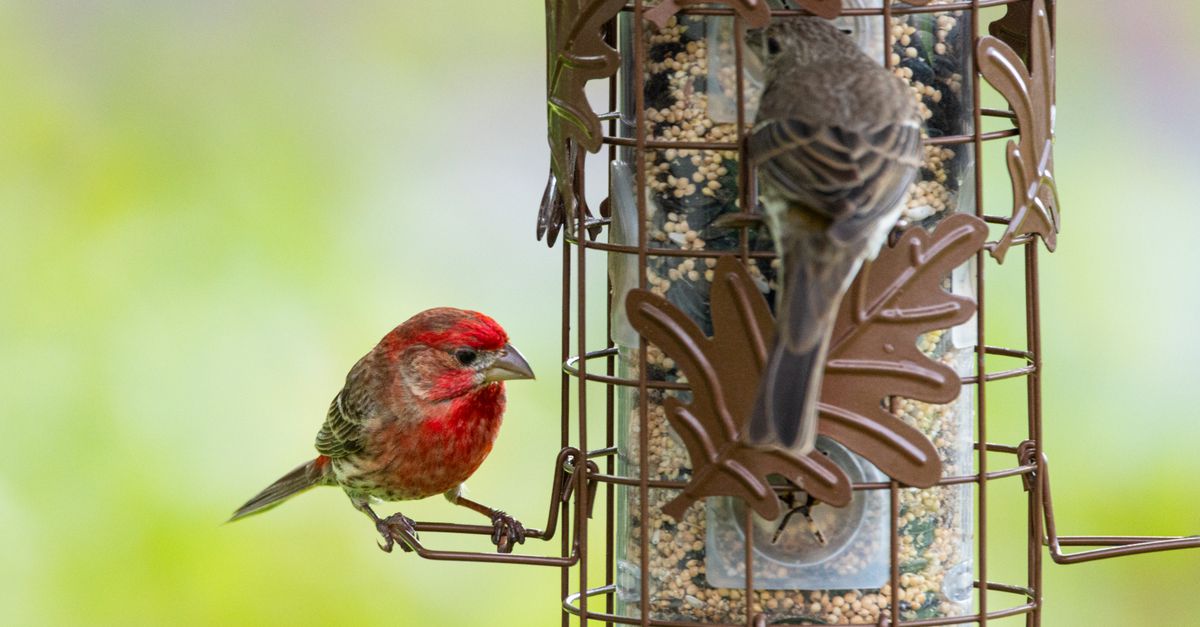
| Tube feeder | Finches, chickadees, and nuthatches | Sunflower-based seed or small seed blends | Can still draw squirrels unless the setup adds resistance | — |
| Hopper feeder | Cardinals, grosbeaks, and jays | Black-oil sunflower, safflower, or mixed seed with low filler | Bulkier and can hold damp seed if upkeep slips | — |
| Platform feeder | Doves, juncos, and other ground-feeding birds | Mixed seed or sunflower-based seed | Food is most exposed to weather and droppings | — |
| Suet feeder | Woodpeckers, nuthatches, and chickadees | Suet cakes | Less versatile if you mainly want seed birds | — |
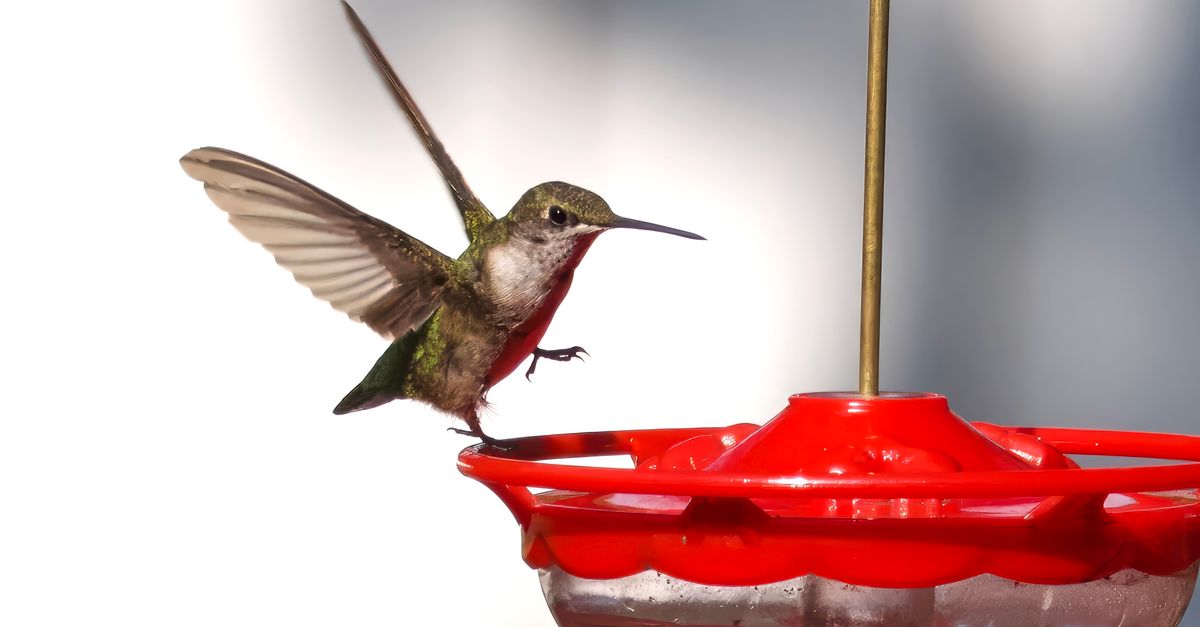
| Nectar feeder | Hummingbirds | Nectar | Needs the most frequent cleaning and fresh nectar | — |
Our picks in detail
Brome Squirrel Buster Plus
Best for: Squirrel-heavy yards that need a current weight-activated tube feeder
Still sold in 2026 and built around a weight-activated shroud that closes off the feeding ports when a squirrel climbs on.
The Cardinal Ring System helps larger songbirds use it more comfortably, and Brome also calls out detachable parts for cleaning, seed-tube ventilation, and UV-resistant materials.
It suits squirrel-heavy yards best when you can give it the open clearance the company recommends.
What owners mention: Verified owners commonly praise its squirrel control and long-term durability. Some mention that birds may take a little time to find it before regular use picks up.
- Type
- Tube feeder
- Capacity
- 5.1 lb seed
- Squirrel control
- Weight-activated shroud; Cardinal Ring System
- Food
- Seed
- Features
- Detachable components for cleaning; seed-tube ventilation; UV-resistant materials; chew-proof exposed parts
- Clearance
- About 18 inches of open space recommended
- Status
- Current in 2026
Pros
- Strong squirrel resistance when installed with the right clearance
- Easy no-tools cleaning
- Good fit for seed-feeding birds
Cons
- Needs open space around it to work properly
- More specialized than a basic feeder
- Not the simplest option for a tight mounting spot
Skip it if: your feeder spot is tight against branches or railings, or if you cannot give it the open clearance the design needs.
Perky-Pet Squirrel-Be-Gone II Country House Wild Bird Feeder (Model 338)
Best for: A squirrel-resistant seed feeder with flexible mounting
Current 2026 model with weight-activated perches and adjustable spring tension.
All-metal construction, a removable roof, and pole-mount-or-hang hardware make it more flexible than many basic seed feeders.
It accepts black-oil sunflower, hulled sunflower, mixed seed, or safflower.
What owners mention: Verified owners often like the rustic look and say the squirrel resistance is decent when it is set up well. Complaints cluster around mounting/post-adapter confusion, frequent spring readjustment, seed clogging in wet weather, and squirrels finding workarounds.
- Type
- Squirrel-resistant seed feeder
- Model
- 338
- Capacity
- 8 lb seed
- Squirrel control
- Weight-activated perches; adjustable spring tension
- Food
- Black-oil sunflower, hulled sunflower, mixed seed, safflower
- Mounting
- Pole-mount or hang
- Construction
- All-metal powder-coated build
- Status
- Current in 2026
Pros
- Flexible mounting options
- Sturdy metal build
- Adjustable sensitivity helps tune squirrel resistance
Cons
- Needs careful placement to work well
- More complicated than a basic feeder
- May be more feeder than a very small yard needs
Skip it if: you want a set-it-and-forget-it feeder or your mount cannot tolerate periodic adjustment.
WoodLink Deluxe Cedar Feeder with Suet Cages (24360 / AT4)
Best for: A covered feeder that mixes seed and suet
Current on WoodLink as a cedar feeder with suet cages.
The mixed seed-and-suet layout can serve more than one species from one station, and the listed size is compact enough for a backyard hanging setup.
Availability can vary by seller, so check current stock before you plan around it.
- Type
- Hopper-style wood feeder
- Item number
- 24360 / AT4
- Dimensions
- 9.5 in D x 13.25 in W x 9.75 in H
- Capacity
- 5 lb seed plus 2 suet cakes
- Food
- Seed and suet cakes
- Construction
- Cedar/metal/plastic build; suet cages; hangs
- Status
- Current in 2026
Pros
- Can serve both seed and suet
- Compact size suits smaller hanging spaces
- Current on WoodLink
Cons
- Less specialized than a feeder built for one food type
- Availability can vary by seller
- Hanging setup required
Skip it if: you want a highly specialized feeder or you need the broadest possible retail availability.
Perky-Pet Favored Pinch-Waist Glass Hummingbird Feeder (Model 204CP-4)
Best for: Hummingbird feeding with easy filling and bug deterrence
Still sold in 2026, but the product page uses inconsistent naming, so verify model 204CP-4 before checkout.
The 16 oz glass bottle, five ports, ant moat, bee guards, and wide-mouth opening are aimed at common hummingbird-feeder problems.
Research notes show owners like how quickly hummingbirds find it and how easy it is to clean, while complaints tend to focus on leaks, ants, and yellow jackets.
What owners mention: Verified owners commonly praise how quickly hummingbirds find it and that the feeder is easy to clean. Common complaints mention nectar leaking from bee guards, the ant moat holding little water, and yellow jackets or ants being attracted.
- Type
- Hummingbird feeder
- Model
- 204CP-4
- Capacity
- 16 oz nectar
- Ports
- 5 flower ports
- Features
- Ant moat; bee guards; wide-mouth opening
- Food
- Nectar
- Care
- Easy to fill and clean
- Status
- Current in 2026
Pros
- Good feature set for common hummingbird-feeder problems
- Multiple ports can help when more than one hummingbird visits
- Wide-mouth bottle helps with filling and rinsing
Cons
- Nectar feeders need frequent cleaning
- Some owner feedback mentions leakage or dripping in wind
- The product-page naming mismatch means you should confirm the exact model before buying
Skip it if: you do not want to rinse and refill nectar often or you dislike watching for leaks and insect pressure.
Choose by bird first, then by feeder shape
In short: Start with the birds you want to feed. Tube feeders are usually best for finches, chickadees, and nuthatches. Hopper feeders are more general-purpose and are often a better fit when cardinals or other larger songbirds are part of the picture. Platform feeders work for doves, juncos, and ground-feeding birds. Suet feeders suit woodpeckers and related species. Hummingbirds need a dedicated nectar feeder.
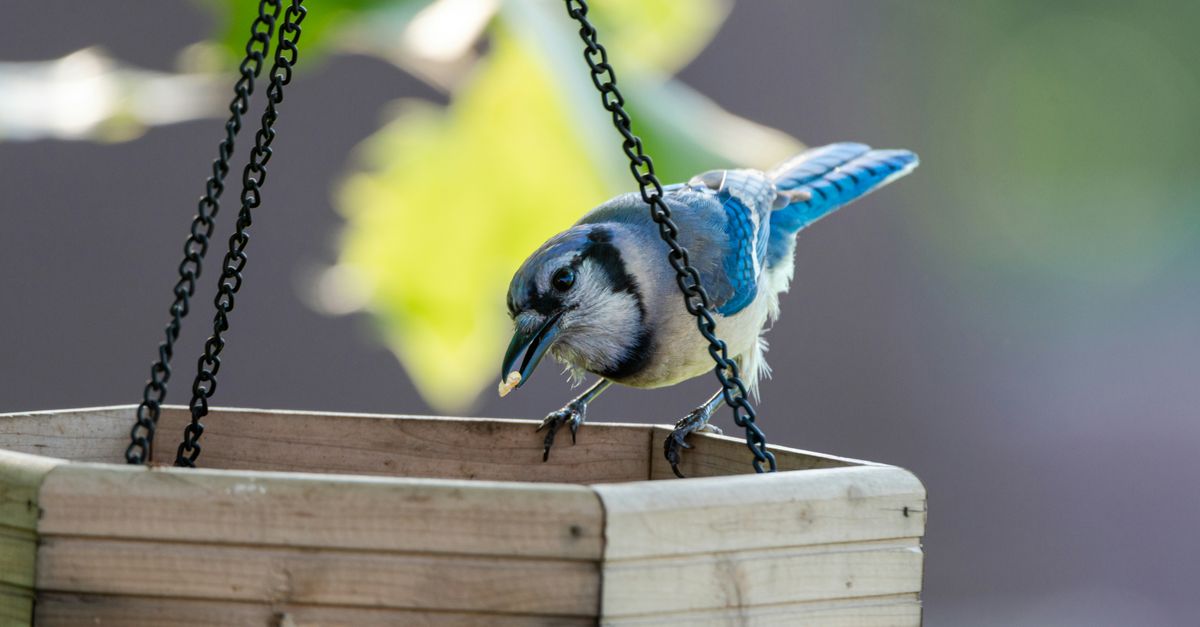
If blue jays are a priority, compare Best Bird Feeder for Blue Jays with roomy hopper or tray styles because they need a sturdier landing area. And if you are buying for someone else, Best Gifts for Bird Lovers is a better companion guide than guessing at a random feeder shape.
- Tube feeders are a strong starting point for finches and other small perchers.
- Hopper feeders give larger songbirds more room to land and feed.
- Platform feeders are easiest for ground-feeding birds to access.
- Suet feeders are best when you want high-energy food for woodpeckers and nuthatches.
- Hummingbirds need a dedicated nectar feeder, not a seed feeder.
When cardinals are the target
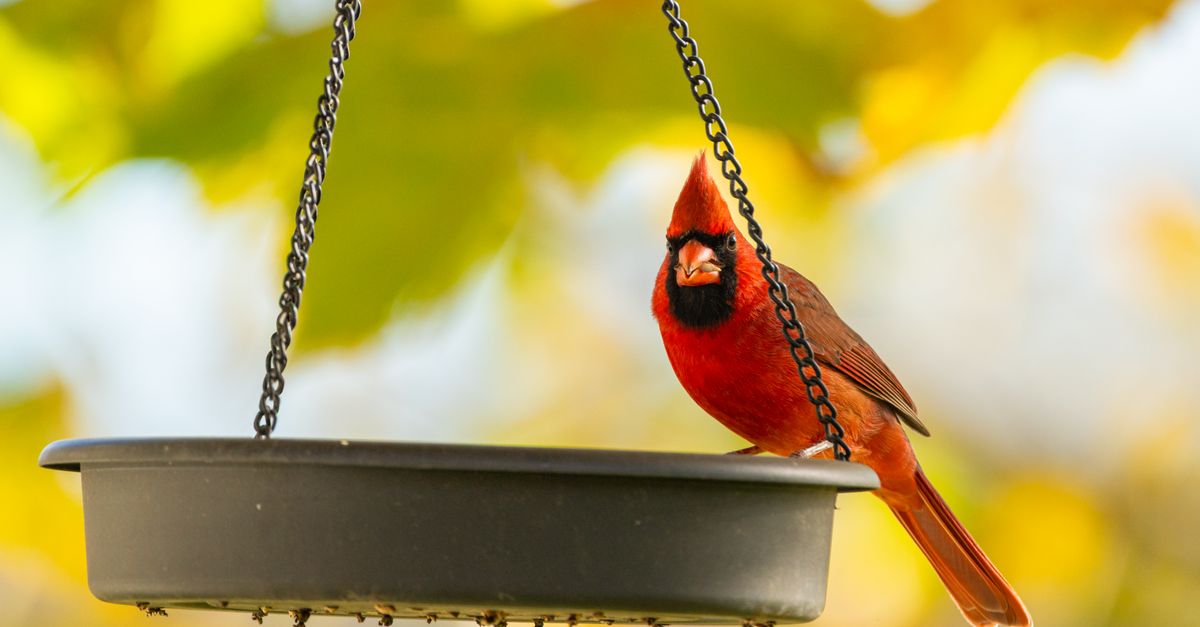
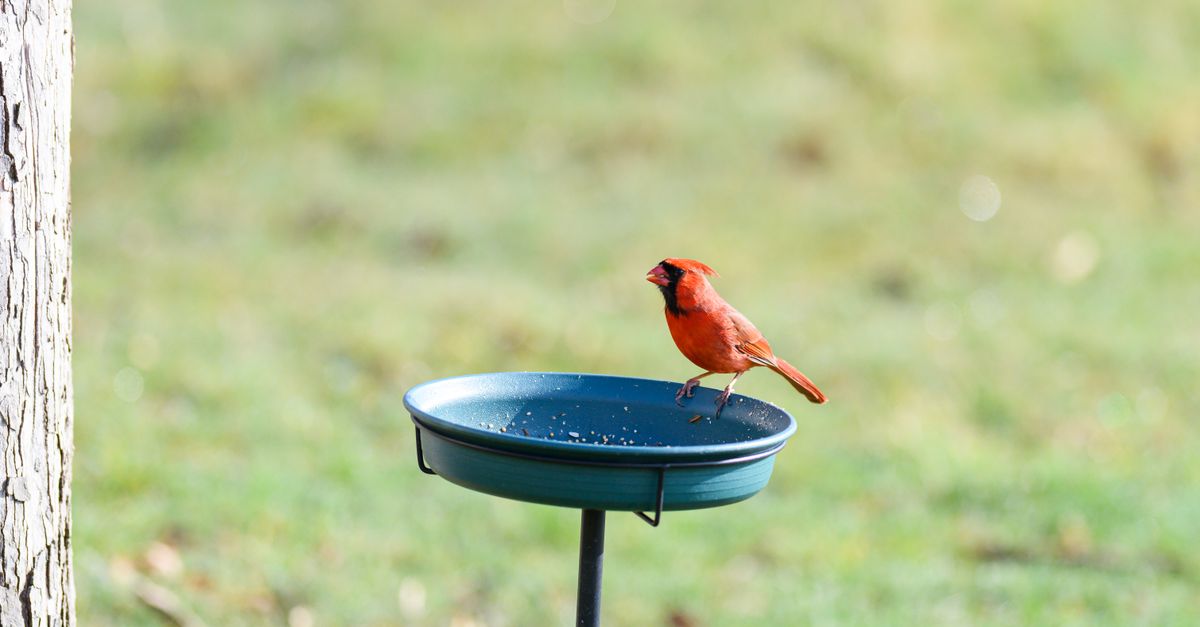
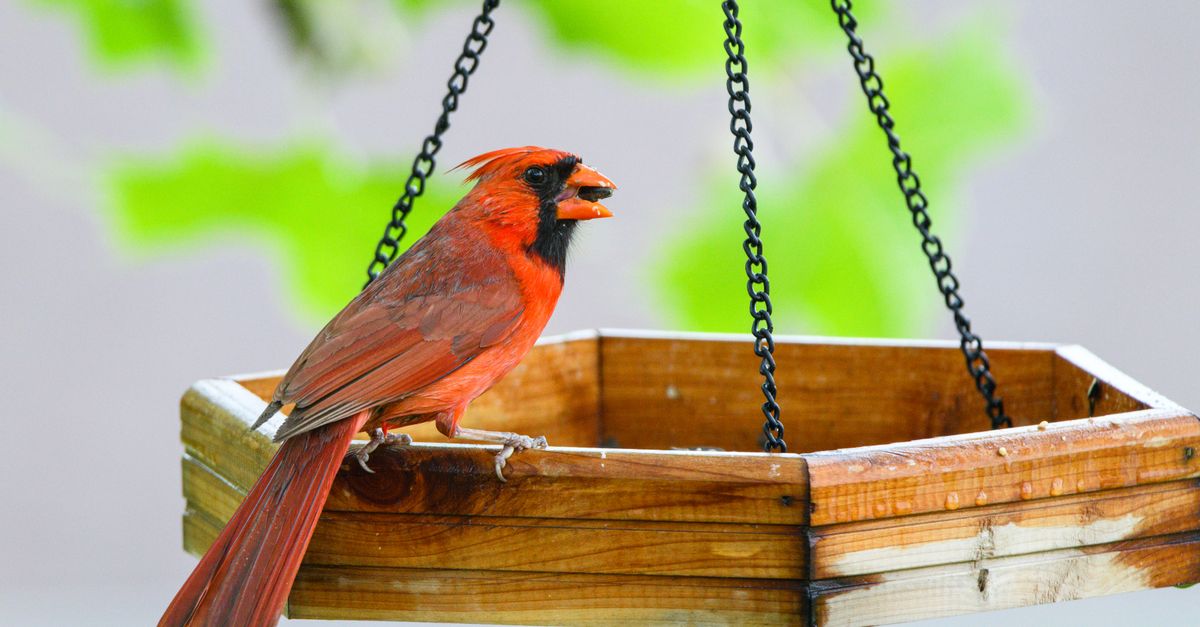
Cardinals usually need a little more room than small tube-feeding birds. A roomier perch, wider opening, or platform-style feed station is often easier for them to use.
If cardinals are your main goal, think about comfort as much as capacity. A feeder that gives them space to land and feed is usually a better fit than a narrow tube built for smaller songbirds.
- Look for wider perches or a feeder with more landing space.
- Choose a design that keeps seed accessible without crowding.
- Use a feeder shape that matches larger songbirds instead of forcing a narrow tube to do everything.
Look for the features that make daily use easier
Good to know: Capacity matters, but bigger is not always better. Larger feeders reduce refill trips, while smaller ones can be easier to keep fresh if you do not want seed sitting around for long.
A feeder can look attractive and still be annoying to live with. The features that matter most are drainage, how easily the feeder comes apart for cleaning, whether the roof or enclosure sheds rain, and whether the ports and perches suit the birds in your yard.
- Look for drainage holes or a design that keeps seed from holding water.
- Choose a feeder with removable parts or a tool-free base if you want easier washing and drying.
- Prefer metal port collars or reinforced feeding areas if you want better durability.
- Match perch size and port spacing to the birds you actually want to feed.
- Use capacity to plan refill frequency, not as the only purchase factor.
What the specs really tell you
Specs help you compare convenience, bird access, and cleanup before you buy.
- Ports tell you how many birds can feed at once.
- Capacity tells you how often you will need to refill.
- Height and footprint tell you where the feeder will fit.
- Perches and tray space matter for larger birds.
- Drainage and removable parts usually matter more than decorative details.
Squirrel resistance works best when design and placement match
Tip: Squirrel-resistant is the better term to keep in mind. Weight-activated shrouds, closing perches, cages, and pole baffles can all help, but the feeder only works as designed when the site gives it room.
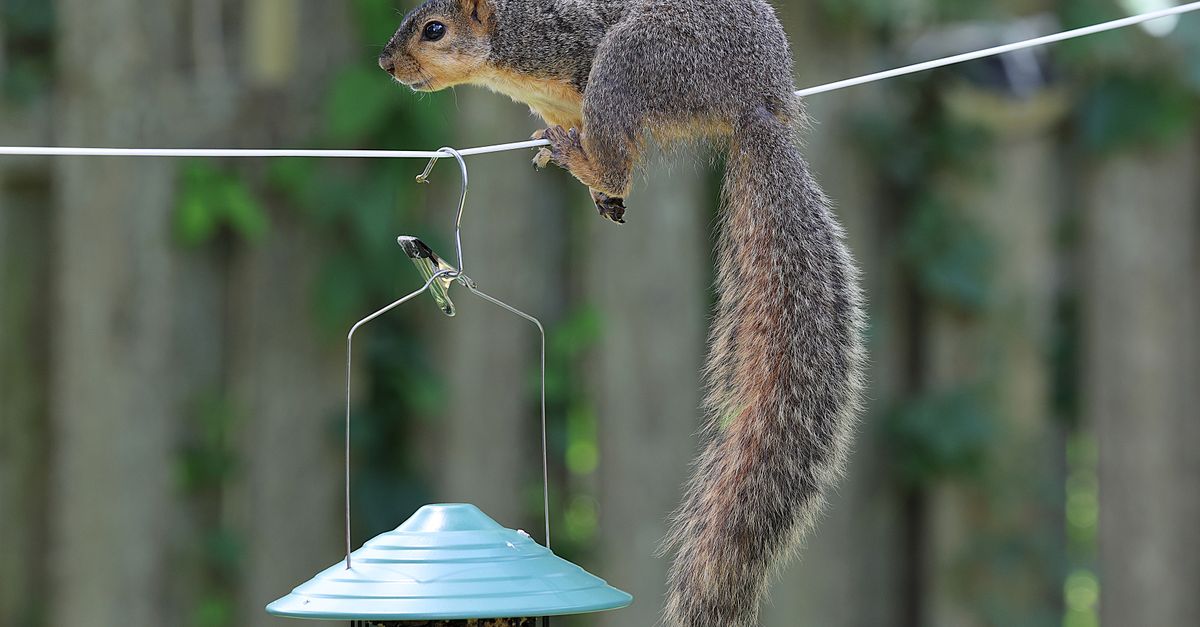
Brome's Squirrel Buster Plus is a good example: the company recommends around 18 inches of open clearance so the closure system can work the way it should. Nearby branches and railings can let squirrels bypass even a good mechanism. For a fuller setup plan, how to keep squirrels off a bird feeder covers baffles, clearance, and other placement fixes.
- Keep branches, deck rails, and other launch points away from the feeder.
- Use a pole and baffle when you can, especially in squirrel-heavy yards.
- Choose seed squirrels are less eager to steal if the birds in your yard will still eat it.
- Expect some trial and error before the setup settles into a good rhythm.
- A feeder that wobbles too much is easier for a squirrel to defeat.
Match the food to the feeder
Seed, suet, and nectar all have different jobs. Black oil sunflower and hulled sunflower are the most flexible seed choices for many backyards. Safflower can be useful when you want a little less squirrel interest. Mixed seed can work, but filler-heavy blends often end up on the ground.
Suet belongs in suet feeders, and nectar belongs in hummingbird feeders. Nectar feeders need fresh liquid and clean ports, because spoiled nectar can be harmful to birds.
- Choose the food first, then the feeder style that holds it well.
- Keep seed dry and discard clumped or moldy seed quickly.
- Do not put nectar in seed feeders or seed in nectar feeders.
- If you want less shell mess under the feeder, hulled sunflower can help.
- If you want to discourage some squirrel interest, safflower is worth considering.
Place the feeder safely and think about the whole yard
Watch out: Placement changes everything. Feeders should be easy for birds to reach, hard for squirrels to launch at, and far enough from cover that cats cannot ambush from below. Hanging hardware and pole mounts should feel stable, not wobbly.
Window collisions are a real risk. Keep feeders either well away from glass or very close to it, and use decals, screens, frit, or other collision-prevention methods where needed. A clean water source also helps birds linger, and a well-placed feeder works best when the whole yard is safe and easy to use.
- Leave clearance around squirrel-resistant designs.
- Avoid branch launch points, railings, and other squirrel shortcuts.
- Keep feeders away from hiding spots where cats can ambush birds.
- Choose a spot you can reach safely for filling and washing.
- Stability matters as much as style, especially for pole-mounted feeders.
Clean it regularly and plan for ongoing upkeep
Good to know: Regular cleaning is part of responsible bird feeding. Wet seed, mold, old nectar, and dirty ports can all spread disease, so rinse and dry feeders thoroughly and discard spoiled food.
Hummingbird feeders should be cleaned at least weekly with mild soap and water. Seed feeders should be checked regularly, especially in warm or wet weather; Perky-Pet recommends at least every two weeks for the 338.
- Replace nectar often and do not let it sit long enough to spoil.
- Dry feeders fully before refilling whenever possible.
- Check perches, ports, and seals for wear or clogging.
- A feeder that is easy to wash is usually the one you will keep using.
- Cleaning bird baths matters too, because standing water can also grow algae or spread disease.
Feed birds responsibly
Skip sticky traps, poison baits, and other harmful pest controls. Do not disturb nests or handle wild birds; in the U.S., most native wild birds are protected by law.
Common mistakes that make feeders fail
Most feeder disappointments come from a few avoidable mistakes: choosing the wrong feeder for the bird, hanging it in the wrong place, or leaving food wet and dirty too long.
A feeder can also fail if it is too complicated to maintain. If the setup is hard to refill or wash, it is less likely to stay clean and useful over the long run.
- Do not rely on mixed seed alone if your target birds prefer sunflower or suet.
- Do not mount a squirrel-resistant feeder right next to a branch or deck rail.
- Do not let nectar or seed spoil.
- Do not crowd feeders so birds cannot approach comfortably.
- Do not ignore window safety or collision prevention.
FAQ
What type of bird feeder is best for beginners?
A covered hopper or a tube feeder is usually the easiest starting point because both work for common backyard birds and are simple to place and refill. If you want a close-view setup, a window feeder can work too as long as you plan for collision safety.
Are squirrel-proof feeders really squirrel-proof?
Usually not in the literal sense. Most are squirrel-resistant rather than magical. Weight-activated closures, cages, and baffles can work well, but placement and clearance still matter.
What seed should I use in most seed feeders?
Black oil sunflower is the safest all-around starting point for many backyards. Hulled sunflower, safflower, and some mixed seeds can also work depending on the birds you want to attract.
How do I avoid buying the wrong Perky-Pet hummingbird feeder?
Look for model 204CP-4 and confirm that the photos and specs match. The product page has inconsistent labeling, so double-check the exact model number before you buy.
How often should I clean a bird feeder?
Regularly, and more often in warm or wet weather. Hummingbird feeders should be cleaned at least weekly, and seed feeders should be checked regularly; Perky-Pet's 338 page, for example, recommends at least every two weeks.
Where should I place a feeder to reduce window collisions?
Keep feeders either well away from glass or very close to it, and use decals or other collision-prevention methods as needed.
What feeder works for both cardinals and blue jays?
A roomy hopper or tray-style feeder is usually the easiest shared option because both birds prefer more landing room than a narrow tube gives. If squirrels are active, choose a squirrel-resistant design and keep the feeder away from branch launch points.
Do hummingbird feeders need special care?
Yes. They need frequent cleaning, fresh nectar, and careful attention to leaks, ants, and bees. Nectar feeders are the most maintenance-sensitive style in this guide.
Should I keep a bird bath near my feeder?
Yes, a clean water source helps many birds. Just keep the bath clean and think through spacing so birds have room to move safely.
The bottom line
Choose the feeder that matches the birds in your yard, the food you want to offer, and the amount of cleanup you are willing to do. If squirrel pressure is high, prioritize clearance and a design that still works with your actual mounting spot.
If you want to keep building your backyard birding setup, the species-specific guides and a clean water source are the most useful next steps.