How we research: this guide is based on manufacturer specifications, published data and verified customer feedback. Products are not personally tested unless marked “Tested by us”. Our process.
We may earn a commission when you buy through links on this site, at no extra cost to you. As an Amazon Associate I earn from qualifying purchases.
If you are choosing binoculars for backyard birds, trail walks, or local birding trips, the easiest place to start is how the binocular feels in use: steady in the hand, easy to focus, and comfortable to wear for more than a few minutes. This guide turns the spec sheet into plain English so you can choose a birding binocular that stays useful year after year.
For model roundups, jump to Best Binoculars for Bird Watching: 2026 Picks or the value-focused Best Binoculars for Bird Watching on a Budget.
If you are just getting started, compare Best Binoculars for Beginners: 2026 Easy Picks and Best Compact Binoculars for Birding: 2026 Picks before you shop.
The four current U.S. models below are all full-size 8x42 roof prisms, and stock changes fast: the Celestron Nature DX is temporarily out of stock on Celestron.com, while the Nikon MONARCH M5 is backordered on Nikon USA. Check current price and stock before you order.
Quick picks
Comparison table
| Model | Field of view | Eye relief | Close focus | Weight | Best for | Check price |
|---|---|---|---|---|---|---|
| Vortex Diamondback HD 8x42 | 393 ft @ 1000 yds (7.5°) | 17.0 mm | 5.0 ft | 21.8 oz | Durable all-around 8x42 with steady handheld use | AmazoneBay |
| Celestron TrailSeeker ED 8x42mm Roof Binoculars | 426 ft @ 1000 yds (8.1°) | 17.2 mm | 6.5 ft | 23.5 oz | Wide-view upgrade | AmazoneBay |
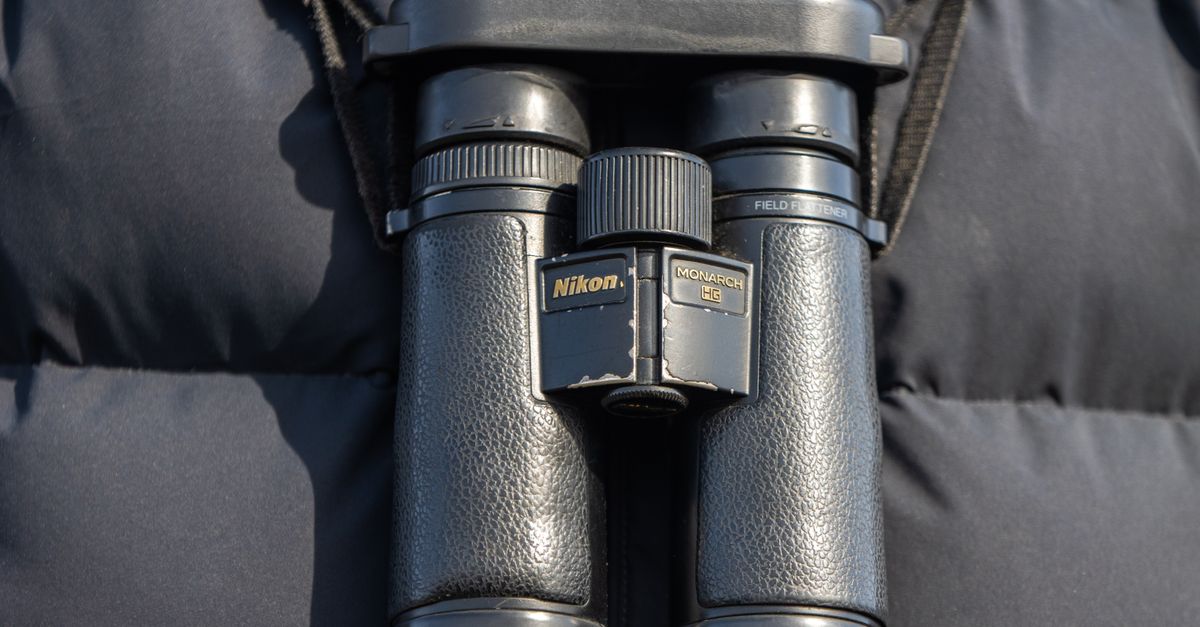
| Nikon MONARCH M5 8x42 | 335 ft @ 1000 yds (6.4°) | 19.5 mm | 8.2 ft | 22.2 oz | Eyeglass wearers and a more premium fit | AmazoneBay |
| Celestron Nature DX 8x42mm Roof Binoculars | 388 ft @ 1000 yds (7.4°) | 17.5 mm | 6.5 ft | 22.2 oz | Entry-level all-around birding | AmazoneBay |
Our picks in detail
Diamondback HD 8x42
Best for: Durable all-around birding with a steady 8x view
Current 8x42 roof prism in Vortex's lineup with a 7.5° field of view, 17.0 mm eye relief, 5.0 ft close focus, and a lightweight 21.8 oz build.
Argon purging, waterproof/fogproof sealing, and tripod adaptability make it a practical choice for field use.
Verified owner feedback commonly points to clear optics, easy handling, and a steady 8x image.
- Magnification
- 8x
- Objective lens
- 42 mm
- Field of view
- 393 ft @ 1000 yds (7.5°)
- Eye relief
- 17.0 mm
- Close focus
- 5.0 ft
- Weight
- 21.8 oz
- Build
- Argon purged; waterproof; fogproof; tripod adaptable
Pros
- Lightest of the four current full-size picks here
- Tripod adaptable for steadier long looks
- Balanced all-around 8x42 format
Cons
- 8x gives less reach than a 10x binocular
- Eye relief is shorter than the Nikon MONARCH M5
TrailSeeker ED 8x42mm Roof Binoculars
Best for: Birders who want the widest view in this group
8x42 roof prism with ED glass, an 8.1° field of view, 17.2 mm eye relief, and 6.5 ft close focus.
Celestron currently lists it as in stock, and the magnesium alloy chassis gives it a sturdier, more premium feel than a basic starter roof prism.
If you want a wider view without moving to 10x, this is the strongest fit in the group.
- Magnification
- 8x
- Objective lens
- 42 mm
- Field of view
- 426 ft @ 1000 yds (8.1°)
- Eye relief
- 17.2 mm
- Close focus
- 6.5 ft
- Weight
- 23.49 oz
- Build
- ED glass; magnesium alloy chassis; waterproof; fogproof
Pros
- Widest verified field of view in this guide
- ED glass helps reduce color fringing
- Rugged magnesium alloy body
Cons
- Heavier than the other current 8x42 models here
- May be more binocular than casual users need
MONARCH M5 8x42
Best for: Eyeglass wearers who want a premium-feeling 8x42
Current 8x42 roof prism from Nikon USA, which currently shows it as orderable but backordered.
The 19.5 mm eye relief makes it the most eyeglass-friendly option in this group, and verified listings note ED glass and waterproofing.
If you want a refined 8x42, check the live listing for current availability before you buy.
- Magnification
- 8x
- Objective lens
- 42 mm
- Field of view
- 335 ft @ 1000 yds (6.4°)
- Eye relief
- 19.5 mm
- Close focus
- 8.2 ft
- Weight
- 22.2 oz
- Build
- ED glass; waterproof to 3.3 ft for 10 minutes; fogproof
- Availability
- Orderable on Nikon USA, but currently backordered
Pros
- Longest eye relief in this group
- Good choice for eyeglass wearers
- Well-regarded build and image quality
Cons
- Backordered at the time of writing
- Narrower field of view than the widest rivals
- Confirm the live listing before buying
Nature DX 8x42mm Roof Binoculars
Best for: Entry-level all-around birding and backyard use
Current 8x42 roof prism from Celestron with a 7.4° field of view, 17.5 mm eye relief, 6.5 ft close focus, and a weather-sealed body.
Celestron currently lists it as out of stock on its own site, but it is still listed by U.S. retailers, so check live availability before you buy.
A straightforward starter choice if you want a practical 8x42 without chasing premium extras.
- Magnification
- 8x
- Objective lens
- 42 mm
- Field of view
- 388 ft @ 1000 yds (7.4°)
- Eye relief
- 17.5 mm
- Close focus
- 6.5 ft
- Weight
- 22.2 oz
- Build
- Waterproof; fogproof
- Availability
- Temporarily out of stock on Celestron.com; still listed by U.S. retailers
Pros
- Balanced 8x42 format for new birders
- Comfortable eye relief for many eyeglass wearers
- Simple sealed design for everyday field use
Cons
- Field of view is narrower than the TrailSeeker ED
- Less refined than the ED-glass model
Start with how you actually bird
Birding binoculars are a compromise between reach, steadiness, brightness, and comfort. This guide focuses on full-size roof-prism binoculars because that is where many birders land after comparing a few options. The best choice depends less on a single spec and more on whether you mainly watch feeders, scan treetops, or carry binoculars all day.
- Backyard and feeder birding: an 8x42 roof prism is usually the easiest place to start.
- Trail walks and travel: an 8x32 or other compact model is lighter to carry all day.
- Open country and longer distances: 10x can help, but only if you are comfortable with more shake.
- Glasses on every outing: put eye relief and eyecup design near the top of your list.
- If you want more birds to watch, habitat, feeders, baths, and cover all help bring birds in.
Learn the numbers: 8x32, 8x42, and 10x42
The numbers on a binocular are simple once you know the code. The first number is magnification. The second is objective-lens diameter in millimeters. More magnification makes birds look closer, but it also narrows the view and makes hand shake more obvious. Larger objective lenses can help brightness, but they also add bulk.
For birding, 8x is the safest starting point because it is easier to find birds in the frame and easier to keep steady. A full-size 42 mm objective is still the classic sweet spot for birding because it balances brightness and carry weight well. If you are deciding whether to move up to 10x, 8x42 vs 10x42 Binoculars in 2026 is the quickest side-by-side comparison.
- Magnification: more is not always better; it can make the image harder to hold steady.
- Objective size: larger lenses generally help in dim light, but they increase size and weight.
- Field of view: a wider view makes it easier to find birds in trees and follow birds in flight.
- Close focus: short close focus is handy for backyard birds, butterflies, and birds near feeders.
- Exit pupil: as a rough rule, a larger exit pupil can feel more relaxed and easier in dimmer light.
Roof prism vs. porro prism
Roof prisms are the format most birders end up choosing. The body is slimmer, easier to carry, and more common in weather-sealed designs. That matters if you wear binoculars on a strap for long stretches or want a compact shape that tucks into a daypack.
Porro prisms are the traditional offset shape. They can feel good in the hands and sometimes deliver a pleasing sense of depth, but they are bulkier and less streamlined. For most birding use, roof prisms are the easier default unless a porro model gives you a specific fit or value advantage.
- Roof prism: slimmer body, easier to seal, and usually better for all-day carry.
- Porro prism: wider body and less pack-friendly, but sometimes very comfortable to hold.
- All four current picks in this guide are roof prisms.
- If you want one binocular to live in your car, backpack, or field bag, roof prisms are usually the cleaner choice.
Fit details most buyers overlook
A binocular can have excellent optics and still feel wrong if the fit is off. Check interpupillary distance range if you have a narrower face or if more than one person will use the binocular. Twist-up eyecups should move smoothly and stay in place, and the focus wheel should be easy to reach without stretching your hands.
The most common comfort complaints are not about sharpness; they are about eyecups that do not hold position, bridges that feel wide, or straps that slip and make the binocular feel heavier over time. A harness can reduce neck strain on longer walks, and a good grip matters more than the spec sheet suggests.
- Interpupillary distance: important for smaller faces and for shared use.
- Eyecups: they should lock in position and work well with glasses.
- Strap, harness, or case: comfort and protection matter on longer walks or in a backpack.
- Balance: a binocular that feels tip-heavy will tire you out faster than the spec sheet suggests.
Eyecups, nose clearance, and carrying comfort
If your face is narrow or your nose sits close to the barrels, bridge shape matters more than many buyers expect. Look for eyecups that stop cleanly at the positions you use and a bridge that does not press the binocular too far apart. If several people will share the same binocular, make sure the adjustment range is broad enough for everyone.
If you plan to wear binoculars for long sessions, a harness can be easier on your neck than a basic strap. That is one of the simplest ways to make a good binocular feel better in real use.
- Check that the eyecups twist smoothly and hold their position.
- Make sure the bridge opens wide enough for your face and for shared use.
- Choose a strap or harness that stays put if you bird for more than a few minutes.
Specs that matter more than marketing
Across verified feedback, these models are most often praised for clear, crisp optics, easy focusing, and good brightness. The common complaints are more practical: eyecup fit, nose clearance, straps that feel flimsy or slippery, and the occasional sample-specific optical issue. That is why it pays to weigh the spec sheet against how the binocular feels in the hand.
For the current models here, TrailSeeker ED offers the widest verified view, Nikon MONARCH M5 has the longest eye relief and the most eyeglass-friendly fit, Diamondback HD is the lightest of the group and adds tripod adaptability, and Nature DX is the simplest starter balance. Waterproof and fogproof construction is a smart baseline for damp mornings and changing weather.
- ED glass or HD optics: helpful for cleaner edges and less color fringing on bright branches or birds against sky.
- Field of view: a wider view makes it easier to find birds in trees and follow birds in flight.
- Eye relief: especially important for glasses wearers who want to see the full image.
- Close focus: useful for backyard birding and any close-range wildlife watching.
- Waterproof and fogproof: smart for early mornings, damp woods, and changing weather.
Pick the right binocular for your birding style
The best binocular for a backyard birder is not always the best binocular for a road trip. If you mostly watch feeders, you will probably value brightness, close focus, and easy handling. If you bird while hiking, weight and packability matter more. If you wear glasses, long eye relief should rise to the top of the list.
If you are still deciding between 8x32 and full-size 8x42 models, think about how long you will carry the binocular and how often you bird in low light. For a smaller travel option, a compact model may be the better call; for general birding, a good 8x42 is still the easiest all-around choice.
- Backyard and feeder birding: choose an 8x42 with good close focus and comfortable eye relief.
- Wooded trails: choose a wide-view roof prism if birds move quickly through brush.
- Glasses on every outing: prioritize eye relief and eyecup comfort before chasing more magnification.
- Open fields or hawk watching: consider 10x only if you can accept a narrower view and more shake.
- Family sharing: look for a binocular with simple focus, a comfortable grip, and a forgiving view.
Care, safety, and bird-friendly use
Good birding should help you enjoy birds without stressing them. Follow guidance from established bird-conservation organizations, observe from a distance, and never disturb nests or handle wild birds. Most wild birds are protected by law, so keep your viewing low-impact and legal. If feeders or baths are part of your setup, clean them regularly and avoid sticky traps or poison controls near bird habitat.
Binocular care matters too. Wipe lenses with a proper microfiber cloth, keep caps on when you are not using them, and let wet optics dry before storing them. Never point binoculars at the Sun. Waterproof and fogproof is useful, but it does not always mean safe to submerge the binocular, so avoid dunking it unless the maker explicitly says so. If you watch from inside the house, use window-collision prevention near reflective glass so birds do not hit the windows while you are enjoying them.
- For broader setup basics, see Birding Binoculars Buying Guide 2026.
- If feeders or baths are part of your yard, follow How to Clean a Bird Feeder Properly regularly so disease does not build up.
- Do not disturb nests, eggs, or chicks.
- Never look at the Sun through binoculars.
- Use window decals, screens, or other collision-prevention steps near reflective glass.
- Avoid sticky traps and poison baits around bird habitat.
FAQ
What magnification is best for birding?
For most birders, 8x is the easiest and most forgiving starting point. It gives enough reach for identification without making the image too shaky or too narrow.
Is 8x42 better than 8x32 for birds?
8x42 is usually better if you want a brighter, more relaxed view and do not mind a little extra size. 8x32 is better if you care more about lighter carry and smaller bulk.
What does field of view mean?
Field of view is how wide an area you can see through the binocular, usually listed at 1,000 yards. A wider field makes it easier to find birds in trees and follow birds in motion.
Do eyeglass wearers need special binoculars?
Not special binoculars, but you do need enough eye relief and eyecups that twist or fold to the right position. Without that, you may lose part of the image or feel cramped behind the binocular.
Is ED glass worth it?
Often yes, especially if you care about cleaner edges and less color fringing around bright branches, water, or birds against the sky. It is helpful, but fit and field of view still matter a lot.
What should I look for if I watch feeders or butterflies up close?
Check close focus first. A shorter close-focus distance makes nearby birds and insects much easier to enjoy without constantly backing away.
Can I look at the Sun through binoculars?
No. Never look at the Sun through binoculars or use them to project sunlight. It can cause permanent eye damage and can also damage the optic.
Can I watch nesting birds closely or handle wild birds?
No. Keep your distance, do not touch nests, eggs, or chicks, and do not handle wild birds. Most wild birds are protected by law, and disturbing them can do real harm.
The bottom line
If you want one simple answer, start with an 8x42 roof prism unless portability is your top priority. For the widest view, the TrailSeeker ED stands out. For the most eyeglass-friendly fit, the MONARCH M5 is the clear leader. For the lightest all-around option, the Diamondback HD is a strong pick. And for a simple starter binocular, the Nature DX still does the job well.
From there, the binocular that feels best in your hands usually wins. Comfortable eyecups, a smooth focus wheel, the right eye relief, and a view you can scan without strain matter more than chasing one spec.