How we research: this guide is based on manufacturer specifications, published data and verified customer feedback. Products are not personally tested unless marked “Tested by us”. Our process.
We may earn a commission when you buy through links on this site, at no extra cost to you. As an Amazon Associate I earn from qualifying purchases.
If you want the shortest answer, start with an 8x42 roof-prism binocular. That is the classic birding sweet spot: easy to aim, comfortable to carry, and bright enough for everyday backyard viewing. For a broader overview, see Birding Binoculars: The Complete Buying Guide for 2026.
This 2026 guide focuses on the specs that matter most, then narrows the field to current U.S.-sold models you can compare without guesswork. If you want a model-first roundup, Best Binoculars for Bird Watching: 2026 Picks and Best Binoculars for Beginners: 2026 Easy Picks are useful companions; for smaller glass, Best Compact Binoculars for Birding: 2026 Picks is the better fit.
If you are building a backyard setup, binoculars work best alongside feeders, water, and a simple ID tool. Pair this guide with Best Bird Identification Tools for 2026, and if you want more birds in view, How to Attract Birds to Your Yard helps with the setup. For food choices, What to Feed Birds in Winter: Best Foods and Feeder Picks is a good seasonal companion, and Birdhouses & Baths Buying Guide for 2026 covers the water side.
If feeder traffic is uneven, How to Keep Squirrels Off a Bird Feeder and regular cleaning matter as much as the optics. For upkeep, see How to Clean a Bird Feeder Properly and How to Clean a Bird Feeder.
Quick picks
Comparison table
| Model | Configuration | Field of view | Eye relief | Close focus | Weight | What to expect | Best for | Check price |
|---|---|---|---|---|---|---|---|---|
| Celestron Nature DX 8x42mm Roof Binoculars | 8x42 | 7.4° / 388.6 ft at 1,000 yds | 17.5 mm | 6.5 ft | 22.2 oz | Fully multicoated optics, BaK-4 phase-coated prisms, waterproof, nitrogen-filled body, tripod adaptable. | A straightforward first birding binocular | AmazoneBay |
| Vortex Diamondback HD 8x42 Binoculars (DB-214) | 8x42 | 7.5° / 393 ft at 1,000 yds | 17 mm | 5 ft | 21.8 oz | Wide view, HD optics, dielectric prism coatings, argon-purged, waterproof/fogproof/shockproof, tripod adaptable. | A balanced walk-around binocular | AmazoneBay |
| Nikon Prostaff P7 8x42 Binoculars | 8x42 | 6.8° | 20mm / 0.79-inch | Not listed | 21.8 oz (618 g) | Multi-coated lenses; highly reflective multi-layer prism coating; fogproof and waterproof to 1 m for 10 minutes. | Birders who wear glasses or want generous eye relief | AmazoneBay |
Our picks in detail
Celestron Nature DX 8x42mm Roof Binoculars
Best for: Beginners who want a straightforward first birding binocular
This 8x42 roof-prism binocular uses fully multicoated optics and BaK-4 phase-coated prisms.
It is waterproof, nitrogen-filled, and tripod adaptable for steadier viewing.
Its 6.5-foot close focus works well at feeders and in the yard.
What owners mention: Verified owners commonly praise the clear image, bright views, comfortable handling, and strong value; many describe it as a solid everyday, beginner-friendly birding binocular.
- Configuration
- 8x42
- Field of view
- 7.4° / 388.6 ft at 1,000 yds
- Eye relief
- 17.5 mm
- Close focus
- 6.5 ft
- Weight
- 22.2 oz
- Optics
- Fully multicoated optics; BaK-4 phase-coated prisms
- Weatherproofing
- Waterproof; nitrogen-filled; tripod adaptable
Pros
- Good all-around birding spec set
- Comfortable eye relief for many users
- Useful close focus for feeder birds
Cons
- Not the widest field of view here
- Heavier than the Vortex Diamondback HD 8x42
Skip it if: Skip this if you want the lightest full-size 8x42 or the widest view in this group.
Vortex Diamondback HD 8x42 Binoculars (DB-214)
Best for: Birders who want a balanced all-around pair with easy carry
This 8x42 roof binocular has HD optics and a wide 7.5° field of view.
It is waterproof, fogproof, shockproof, argon-purged, and comes with a GlassPak harness.
It is a strong carry-friendly choice when you want an outdoor-ready pair.
What owners mention: Verified owners commonly praise the clear image and the warranty. Some critical feedback mentions edge blur if the eyecups or head position are off.
- Configuration
- 8x42
- Field of view
- 7.5° / 393 ft at 1,000 yds
- Eye relief
- 17 mm
- Close focus
- 5 ft
- Weight
- 21.8 oz
- Optics
- HD optics; dielectric prism coatings; ArmorTek lens protection
- Weatherproofing
- Waterproof, fogproof, shockproof; argon-purged
- Included accessory
- GlassPak harness included
- Model code
- DB-214
Pros
- Wide field of view for tracking moving birds
- Lighter than many full-size models
- Rugged outdoor-ready build
Cons
- Some buyers mention edge blur if the eyecups or head position are off
- Eye relief is good but not the longest here
Skip it if: Skip this if you wear glasses and need the longest eye relief or if you want the most effortless eye placement.
Nikon Prostaff P7 8x42 Binoculars
Best for: Birders who wear glasses or want generous eye relief
This 8x42 binocular uses multi-coated lenses and a highly reflective multi-layer prism coating.
Its 20mm eye relief is especially comfortable for many eyeglass wearers.
It is fogproof and waterproof to 1 m for 10 minutes, with a 21.8 oz (618 g) body.
- Configuration
- 8x42
- Field of view
- 6.8°
- Eye relief
- 20mm / 0.79-inch
- Weight
- 21.8 oz (618 g)
- Optics
- Multi-coated lenses; highly reflective multi-layer prism coating
- Weatherproofing
- Fogproof and waterproof to 1 m for 10 minutes
Pros
- 20mm eye relief is comfortable for glasses wearers
- Fogproof and waterproof to 1 m for 10 minutes
- Multi-coated lenses and a highly reflective multi-layer prism coating
Cons
- Narrower field of view than the Celestron and Vortex 8x42s here
Skip it if: Skip this if you want the widest field of view in the group or a binocular with shorter eye relief.
How binoculars fit into a backyard birding setup
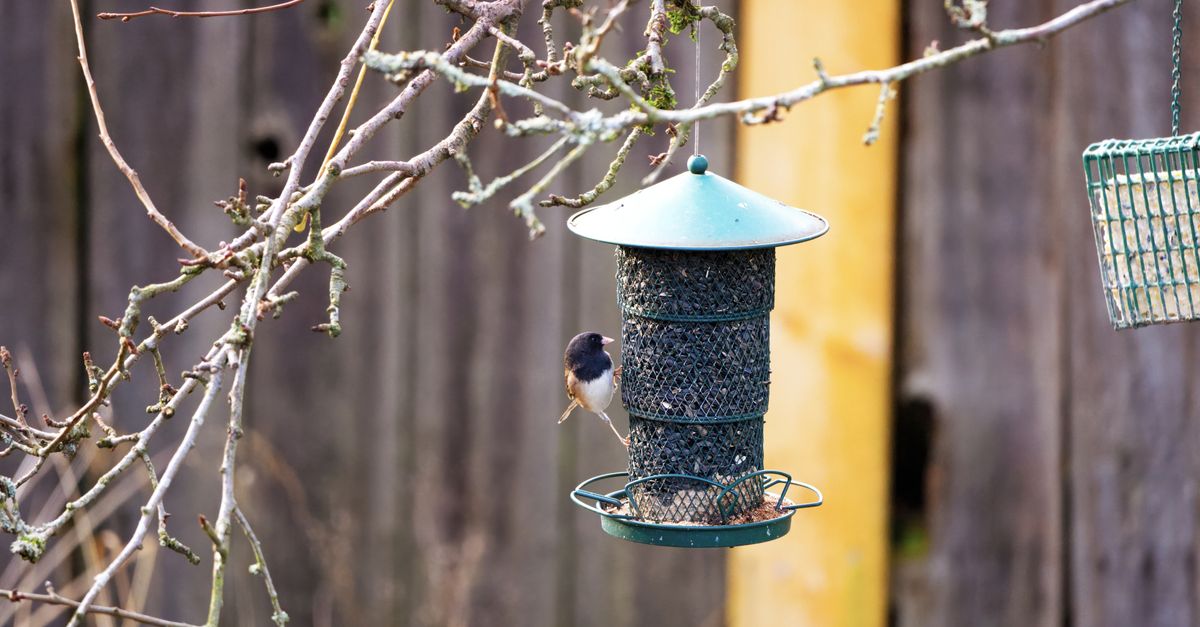
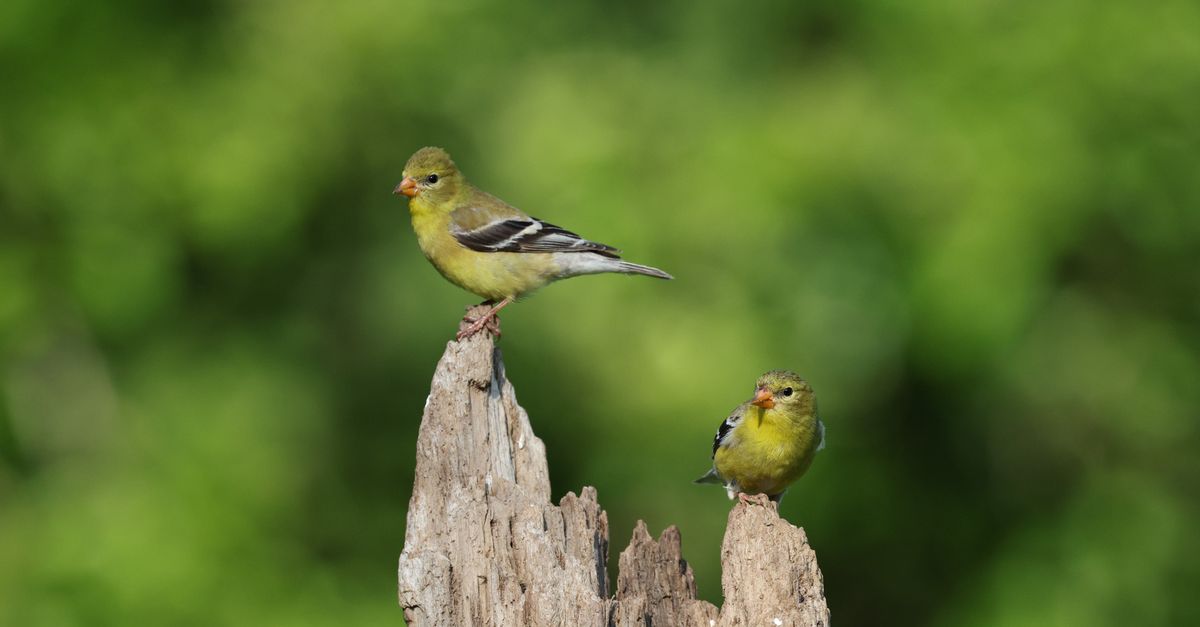
Binoculars help you see field marks and behavior without crowding birds, but they work best when the yard gives birds a reason to stay. Food, water, and cover do more than any optic by themselves.
If you are still choosing feeder styles, Bird Feeders: The Complete Buying Guide for 2026 is the next place to look. The basic idea is simple: once birds are already visiting, a good binocular helps you identify them without spooking them.
- Feeders draw birds into view, but they also need cleanup and good placement.
- Baths can hold bird traffic even when feeder activity is slow.
- The best viewing spot is the one birds keep using, so placement matters as much as magnification.
Squirrels can change what you actually see
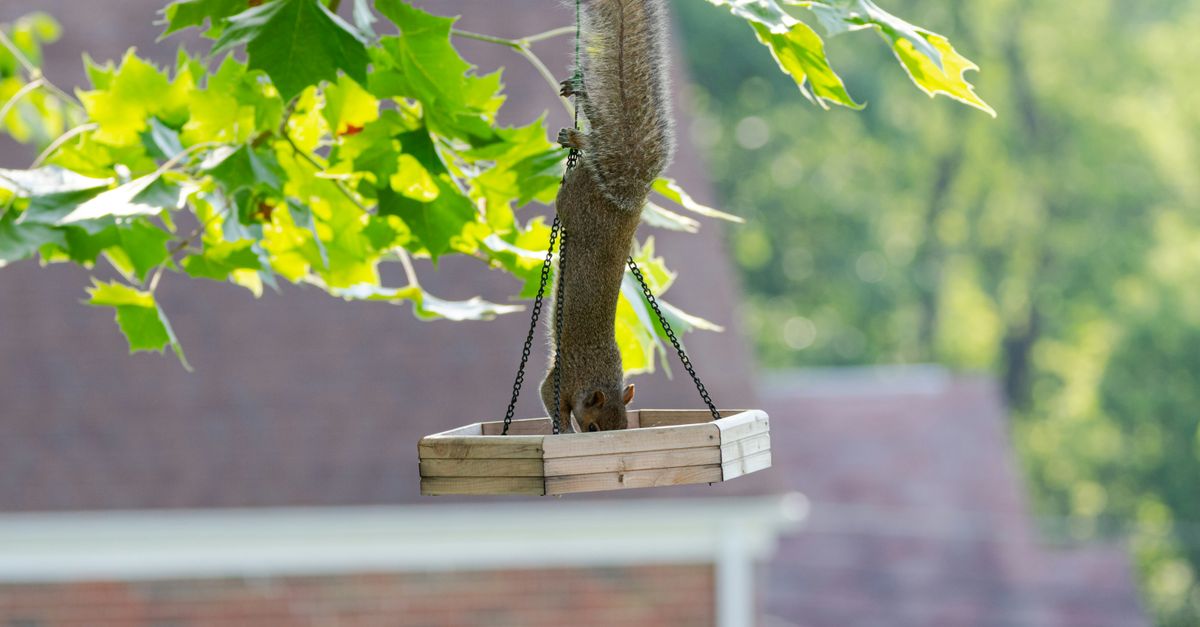
If squirrels empty the feeder before birds settle in, the viewing spot stops working. Use baffles, feeder placement, and the right feeder design instead of sticky products, poison, or traps; How to Keep Squirrels Off a Bird Feeder covers the practical steps.
- Keep feeders away from easy jump points.
- Use baffles and pole guards before you add complexity.
- Avoid sticky products, poison, and traps that can hurt wildlife.
Bird safety, cleaning, and window awareness
Good to know: Most wild birds in the United States are protected by law, so do not handle birds, disturb active nests, or try to move wildlife around on your own. Binoculars should never be used to view the Sun; concentrated light can cause permanent and irreversible eye damage. Regular cleaning of feeders and baths helps limit mold, droppings, spoiled seed, and disease risk, especially in warm or wet weather. For a step-by-step routine, see How to Clean a Bird Feeder Properly.
If you want the shorter version of the cleanup basics, How to Clean a Bird Feeder is a quick refresher. Window-collision prevention matters too, so use decals, screens, or other visible markers to make glass easier for birds to see.
- Never point binoculars at the Sun.
- Use decals or screens to make glass easier for birds to see.
- Clean feeders and baths regularly, and let them dry before refilling.
- Keep cats away from feeding and nesting areas.
- Do not disturb an active nest just to check what is inside.
- Keep lens caps on when not in use, and treat waterproof optics as field gear, not submersible gear.
Which binocular style should most birders buy?
In short: buy an 8x42 roof-prism binocular unless you have a specific reason not to. That size is the most forgiving all-around choice for feeders, walks, and travel.
If you want a more model-first path, compare Best Binoculars for Bird Watching: 2026 Picks with Best Binoculars for Beginners: 2026 Easy Picks. If portability matters more than reach, Best Compact Binoculars for Birding: 2026 Picks is the right direction. If budget is the main limit, Best Binoculars for Bird Watching on a Budget is a better filter than guessing by brand.
- Choose 8x if you want steadier, less tiring viewing.
- Choose 10x if you want more reach and can live with more shake.
- If you bird mostly at feeders, steadiness usually matters more than extra power.
Why 8x42 shows up so often
Most birders settle into 7x or 8x, and 42mm objectives are the common all-around size because they balance brightness, steadiness, and hand comfort. That is why 8x42 keeps showing up in birding buying guides.
If you want the tradeoff spelled out, 8x42 vs 10x42 Binoculars in 2026: Which Should You Buy? is the quickest side-by-side overview.
- Easier to hold steady than higher magnification
- A common sweet spot for backyard and trail use
- Usually a better first buy than chasing more power
When a different binocular style makes more sense
Not every birder needs a full-size 8x42. If you mostly travel, hike, or want something smaller in a daypack, a compact binocular can be the better fit. For a tighter model list, Best Compact Binoculars for Birding: 2026 Picks is the quickest next read.
For backyard feeder watching, though, full-size 8x42s are usually the more forgiving choice. And if your budget is the main filter, Best Binoculars for Bird Watching on a Budget is more useful than chasing brand names.
- Choose full-size 8x42 if you want the easiest long-session view.
- Choose compact binoculars if you value portability first.
- Choose a budget guide if you want to compare the right tier before you compare features.
Check weatherproofing, weight, and comfort before you buy
Watch out: Two binoculars with similar specs can feel very different in the hand, so balance, eyecups, and focus-wheel feel matter more than a tiny weight difference.
Waterproof and fogproof construction is a practical outdoor feature, not a luxury. Birders use binoculars in humidity, mist, and changing weather, so sealed construction helps the view stay usable.
Weight matters too. A binocular that is a little lighter and better balanced may get used far more often than a heavier model with a slightly better spec sheet. If two models are close, compare current warranty terms, included accessories, and return policy instead of chasing a spec you will never notice in the field.
- Waterproofing helps in damp or changing weather.
- Fogproofing reduces annoyance in the field.
- Lighter, better-balanced binoculars are easier to carry on walks.
- Tripod adaptability can be useful if you expect long stationary viewing.
- Compare warranty terms and included accessories when two models look similar.
If you wear glasses or notice shake easily
Those two needs often go together in a birding binocular purchase. If you wear glasses, prioritize eye relief. If you dislike shake, prioritize steadiness and a comfortable grip. Image stabilization can help some birders, but it is usually a special-use feature rather than the default first buy.
- Eye relief for glasses wearers
- 8x for steadier viewing
- Comfort first, power second
Shortlist current U.S.-sold models
Good to know: Celestron's Nature DX and Nature DX ED are different families, so make sure the exact model name on the box matches the 8x42 roof binocular you want. Vortex and Nikon also have broader family pages, but these exact 8x42 models are current U.S.-sold options in 2026.
Stock and bundles vary by seller, so check the current price, included accessories, and warranty terms before you choose. All three are 8x42 roof binoculars, so they sit in the same basic birding size class.
- Choose Celestron Nature DX 8x42mm Roof Binoculars if you want a practical first pair.
- Choose Vortex Diamondback HD 8x42 Binoculars (DB-214) if you want a balanced walk-around binocular.
- Choose Nikon Prostaff P7 8x42 Binoculars if you wear glasses or want more eye relief.
Warranty and value: what to check before you buy
Compare fit and use case rather than assuming one brand wins on warranty alone. Among these three, Celestron Nature DX 8x42mm Roof Binoculars is the simplest starter, Vortex Diamondback HD 8x42 Binoculars (DB-214) is the most balanced all-around value pick, and Nikon Prostaff P7 8x42 Binoculars is the comfort-first choice for glasses wearers.
- Verify the current manufacturer warranty.
- Compare the included case, strap, and caps.
- Choose the pair that feels best on your face.
- Avoid paying for magnification you will not use.
Try the binoculars in hand before you buy
If possible, handle binoculars before you buy. A spec sheet cannot tell you how a pair feels in your hands, how the balance sits on your face, or whether the view is comfortable with or without glasses.
Check the focus-wheel feel, eyecup comfort, and overall fit before you decide. Those details matter because binoculars that feel awkward are less likely to get used, even if the numbers look good on paper.
- Hold the binoculars to see how the weight is balanced.
- Turn the focus wheel to judge whether it feels smooth, stiff, or too loose.
- Set the right-eye diopter after the center focus, then make sure both barrels stay clear.
- Flip the eyecups to see if the view works well with your glasses or bare eyes.
- Make sure the image is easy to center and hold steady while you track a bird.
FAQ
Should a beginner buy 8x or 10x binoculars for birding?
For most beginners, 8x is the easier choice because it is steadier, easier to aim, and less tiring to use. Ten-power can help at greater distances, but it usually asks more from your hands and your patience. If you want the tradeoff in more detail, 8x42 vs 10x42 Binoculars in 2026: Which Should You Buy? is the quickest side-by-side guide.
Is 8x42 the best all-around birding size?
It is one of the most common all-around starting points because it balances comfort, reach, and everyday usability well. Many birders like 8x42 because it is straightforward for backyard viewing and still useful on walks.
What does eye relief mean, and why does it matter?
Eye relief is the distance your eyes can sit from the binocular and still see the full image. It matters most if you wear glasses, because enough eye relief makes the view easier and more comfortable to use.
Does close focus matter for birding?
Yes, especially for feeder birds, butterflies, and backyard viewing. A shorter close-focus distance lets you watch nearby subjects more comfortably and can make the binoculars more versatile.
Are roof prisms better than porro prisms for birding?
Roof prisms are usually the easier carry because they are more compact and streamlined. Porro prisms can still be a good value, but they are bulkier, so many birders prefer roof-prism models for day-to-day use.
Are image-stabilized binoculars worth it?
They can help if hand shake is your biggest issue, but they are usually a special-use category rather than the default starting point for most birders.
What's the difference between Celestron Nature DX and Nature DX ED?
They are different families, so the exact model name matters. This guide covers the Nature DX 8x42 roof binocular, and you should compare Nature DX ED as a separate line if you see it on the shelf.
What else should a beginner buy with binoculars?
A simple bird ID app like Best Bird Identification Tools for 2026, a comfortable strap, and a plan for the yard all help. Clean feeders, fresh water, and a calm viewing spot make a modest pair work much better than chasing extra magnification.
The bottom line
If you want one clean answer, start with an 8x42 roof-prism binocular with enough eye relief, weatherproofing, and a comfortable grip. That combination fits a lot of birding situations without making the binoculars fussy to use.
Before you buy, check the current price and warranty for the exact model, then build the rest of the setup around clean feeders, fresh water, and safe viewing. The best birding setup is the one you will actually use often and maintain well.